
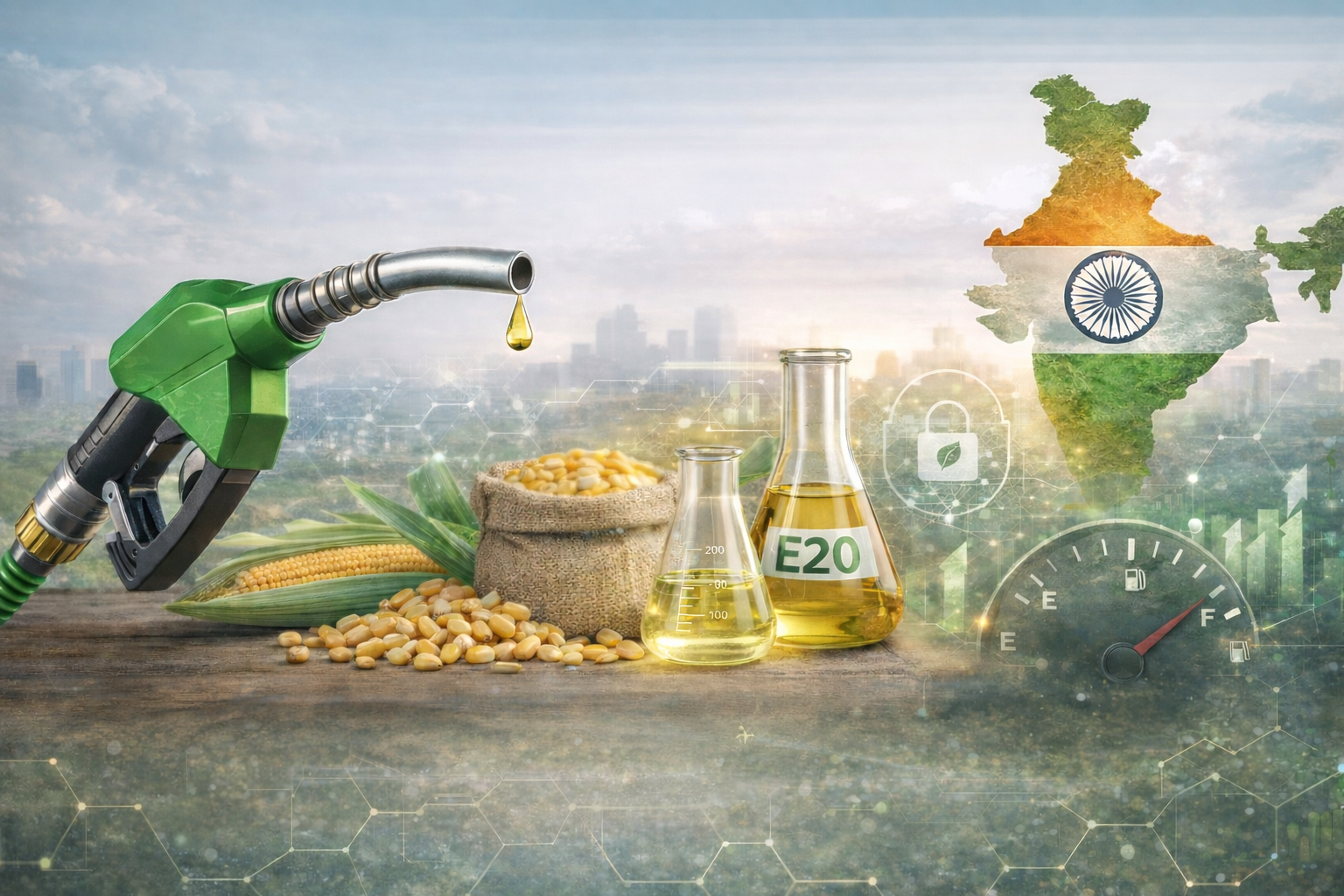
India’s journey toward cleaner fuels has reached a significant milestone with the achievement of E20 fuel blending, where petrol contains 20% ethanol. This move strengthens the country’s commitment to reducing carbon emissions, lowering oil imports, and promoting renewable energy. But as ethanol takes center stage, an important question arises—what lies ahead for biodiesel in India?
Understanding the Impact of E20 Fuel in India
The implementation of E20 fuel is a major step under India’s National Bio-Energy Mission. Ethanol, primarily derived from sugarcane and agricultural residues, has proven to be a viable alternative to fossil fuels in the petrol segment. This transition helps reduce greenhouse gas emissions and supports farmers by creating additional demand for crops.
However, ethanol blending mainly impacts petrol vehicles. This leaves a large segment—diesel engines—still dependent on conventional fuels. This is where biodiesel opportunities begin to expand.
Why Biodiesel Still Matters?
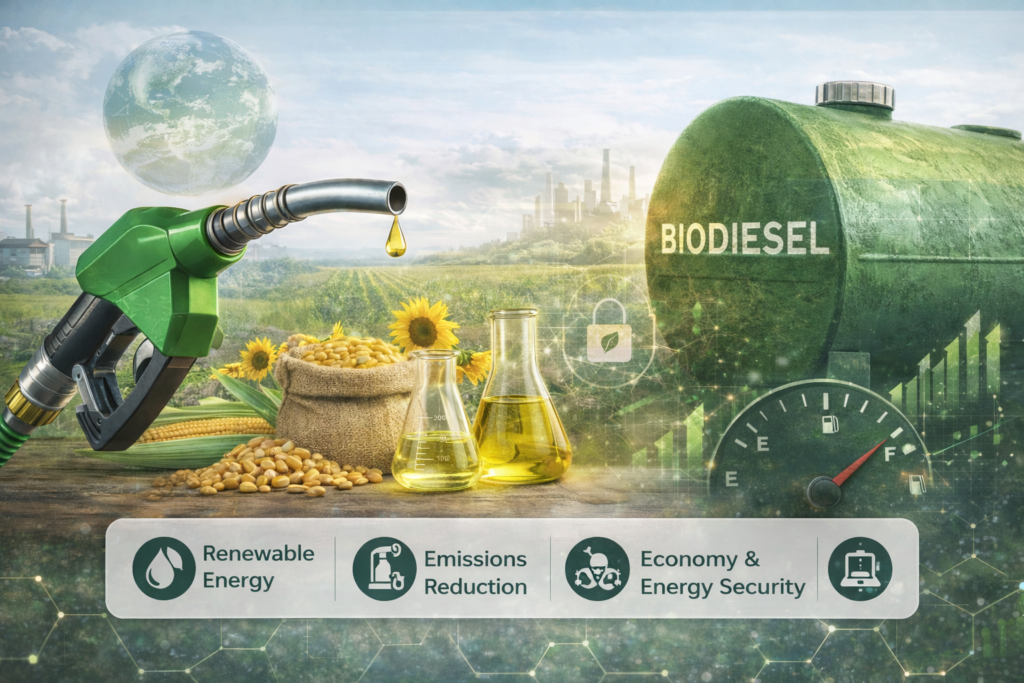
While ethanol dominates the petrol landscape, biodiesel in India plays a crucial role in decarbonizing diesel-powered transportation. Heavy vehicles like trucks, buses, and agricultural machinery rely heavily on diesel. Transitioning these to electric alternatives will take time, making biodiesel fuel an essential bridge solution.
Biodiesel is produced from non-edible oils, used cooking oil (UCO), and animal fats. It is biodegradable, renewable, and significantly reduces emissions compared to conventional diesel. With the success of E20, policymakers are expected to push stronger mandates for biodiesel blending targets, such as B5 or B10.
The Shift Toward Advanced Biofuels
After achieving E20 blending, the government’s focus is likely to shift toward advanced biofuels. These include second-generation (2G) and third-generation biofuels derived from waste biomass, algae, and other sustainable sources.
For biodiesel manufacturers, this opens doors to innovation and scalability. Technologies that convert agricultural waste into fuel will gain traction, aligning with India’s goals of waste management and energy security.
Growing Demand for Used Cooking Oil Biodiesel
One of the most promising segments is UCO-based biodiesel. Restaurants, hotels, and food processing units generate large quantities of used cooking oil, which can be converted into eco-friendly fuel.
This not only reduces environmental pollution but also creates a circular economy. Companies investing in waste-to-fuel technology are expected to benefit significantly as awareness and collection networks improve across urban and semi-urban areas.
Challenges in the Biodiesel Industry
Despite its potential, the biodiesel industry in India faces several challenges. These include inconsistent feedstock supply, limited infrastructure, and fluctuating policy implementation. Additionally, the cost of production can sometimes be higher than fossil diesel, affecting competitiveness.
To overcome these hurdles, there is a need for better supply chain management, technological advancements, and long-term policy clarity. Public-private partnerships can also accelerate growth in this sector.
Policy Push and Future Targets
India’s success with ethanol blending demonstrates that strong policy support can drive rapid adoption. Similar efforts are expected in the biodiesel sector. The government may introduce incentives, subsidies, and stricter blending mandates to boost production and usage.
Programs like the Sustainable Alternative Towards Affordable Transportation (SATAT) and initiatives promoting used cooking oil biodiesel collection will play a vital role. Oil marketing companies (OMCs) are also likely to increase procurement of biodiesel, creating a stable market for producers.
The Road Ahead for Renewable Fuels in India
India’s achievement of E20 fuel blending is not the end—it’s the beginning of a broader transformation in the energy landscape. While ethanol has paved the way, biodiesel and other renewable fuels will be essential to achieving net-zero emissions.
The future will likely see a balanced mix of ethanol, biodiesel, electric vehicles, and hydrogen fuel technologies. For businesses and investors, this is a golden opportunity to tap into the rapidly evolving green energy market in India.
Conclusion
The success of E20 in India highlights the country’s ability to implement large-scale renewable energy solutions. Now, the spotlight shifts to biodiesel growth, which holds immense potential in reducing diesel dependency and emissions.
With the right mix of policy support, innovation, and industry participation, biodiesel can become a key pillar of India’s sustainable energy future. As the nation moves forward, the integration of multiple clean fuel technologies will define the next phase of India’s energy revolution.

Frequently Asked Questions
1. What is E20 fuel and why is it important for India?
E20 fuel is petrol blended with 20% ethanol. It helps reduce carbon emissions, lowers crude oil imports, and supports farmers by increasing demand for crops used in ethanol production.
2. How does E20 impact the future of biodiesel in India?
While E20 fuel focuses on petrol vehicles, it increases the need for biodiesel in India to decarbonize diesel engines, especially in trucks, buses, and heavy machinery.
3. What are the main sources of biodiesel in India?
Biodiesel is produced from non-edible oils, used cooking oil (UCO), animal fats, and agricultural waste, making it a sustainable and eco-friendly fuel option.
4. What are the government targets for biodiesel blending in India?
The government is working toward increasing biodiesel blending targets like B5 and B10, supported by policies and initiatives promoting renewable fuels.
5. Is biodiesel a better alternative to conventional diesel?
Yes, biodiesel fuel is cleaner, biodegradable, and reduces greenhouse gas emissions compared to traditional diesel, making it a key part of India’s green energy future.